
If You Need Any Help Contact With Us
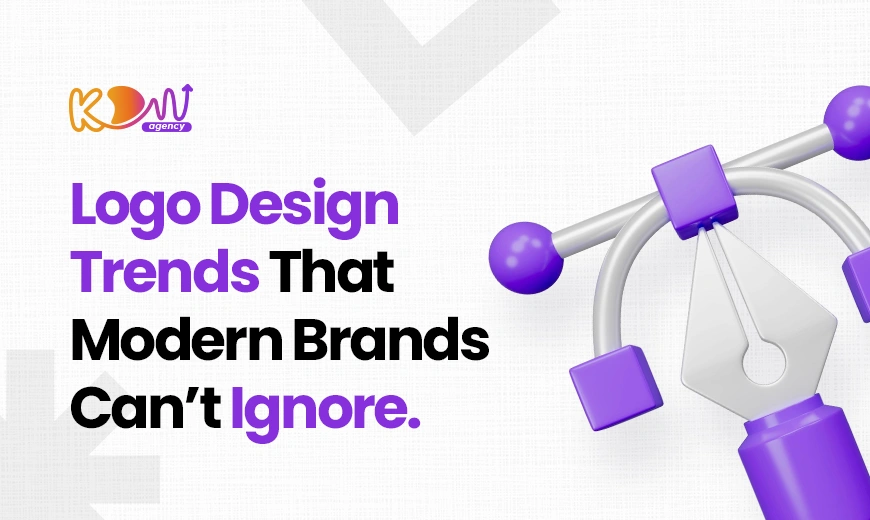
+92 333 0666167A logo is often the first conversation your brand has with the world. Before a user reads your copy, explores your product, or trusts your service, they judge your logo in seconds. In a digital-first economy, that first impression carries more weight than ever. This is why logo design trends are no longer just about aesthetics. They are about strategy, psychology, and long-term brand value.
In 2026, logo design is no longer evolving slowly. Modern logo design trends are being driven by technology, changing consumer behavior, and the demand for instant recognition across multiple platforms. For business owners, software houses, and designers, keeping up with these shifts is critical. Falling behind can make even established brands feel outdated.
Logos used to live on business cards, billboards, and letterheads. Today, they live on app icons, social media feeds, smart devices, dashboards, and video content. A logo must now perform in motion, scale effortlessly, and communicate trust instantly.
Visual branding trends are no longer driven only by creativity. They are influenced by UX constraints, mobile-first experiences, and the psychology of fast-scrolling audiences. Brands that adapt stay memorable. Brands that resist often disappear into the noise.
Minimalist logo design continues to dominate, but the approach has matured. Modern minimalism is intentional, not empty. Every line, curve, and space serves a purpose.
Brands are simplifying logos to improve clarity, versatility, and recall. Clean designs perform better on small screens and feel more premium when executed correctly.
Minimalist logos are flexible, timeless, and easy to recognize.
2. DisadvantageOver-simplification can strip away personality if the concept is weak.
Modern brands no longer rely on a single logo version. Instead, they use adaptable logo systems that change based on screen size, placement, or context.
Responsive logos ensure consistency and usability across websites, apps, and social media.
2. DisadvantagePoor planning can lead to visual inconsistency and fragmented brand identity.
Typography-driven logos are becoming increasingly popular, especially among tech companies and service-based brands. Custom fonts, subtle letter modifications, and strong spacing choices help brands stand out without relying on icons.
Typography-led logos feel modern, confident, and professional when executed correctly.
2. DisadvantageWeak font selection or over-stylization can reduce readability and long-term relevance.
Bold simplicity creates strong visual impact and instant recognition.
2. DisadvantageIf not aligned with brand positioning, it can feel aggressive or trend-driven.
Motion adds depth, engagement, and storytelling to modern visual branding.
2. DisadvantageOveruse of animation can distract users and dilute brand focus.
Abstract logos allow brands to scale, pivot, and grow without redesigning.
2. DisadvantageWithout a clear narrative, abstract symbols can confuse audiences.
Values and purpose now influence logo design choices. Color palettes, spacing, and form are often inspired by sustainability, balance, and authenticity.
Purpose-driven design builds emotional trust and aligns with modern consumer expectations.
2. DisadvantageSurface-level adoption without real alignment can damage credibility.
Following logo design trends without strategy leads to short-lived results. Many brands redesign simply to look modern, not to solve real problems.
Common mistakes include copying competitors, prioritizing aesthetics over usability, and ignoring scalability. A logo should support growth, not restrict it.
This is why businesses looking for long-term impact often collaborate with experts like Kdm Agency, ensuring logos align with business goals rather than temporary design trends.
The most important shift in logo design trends 2026 is not visual. It is strategic.
Modern logo design trends focus on adaptability, clarity, and emotional connection. Logos are no longer decorative assets. They are systems that support brand recognition across every touchpoint.
Brands that understand this build identities that last. Brands that don’t keep redesigning without direction.
A logo should work as hard as your business does. It should communicate trust, scale effortlessly, and remain relevant as your brand grows.
If your logo feels outdated, inconsistent, or ineffective across digital platforms, it may be time for a strategic rethink. Get started with us and let KDM Agency help you design a logo that strengthens your brand identity and supports long-term growth.
Reach out today and take the first step toward a future-ready visual identity.A: Minimalist logo design, responsive logo systems, typography-led identities, and motion-ready logos are leading the way.
A: Yes, but they must be adapted strategically. Trends should support brand goals and audience expectations.
A: Blind imitation, over-design, and ignoring scalability are the most common mistakes.
A: The logo sets the tone for the entire visual system, influencing trust, recognition, and consistency.
A: When scaling, repositioning, entering new markets, or when the current logo no longer performs digitally.